Anthracnose of banana is caused by the Colletotrichum species and is one of the most serious diseases of ripe banana. The fungus causes dark brown to black, sunken sports on the peel of infected fruits. Anthracnose is the most important postharvest disease of banana that can result in 30–40% losses of marketable fruit.
Anthracnose (Colletotrichum musae) gives latent fruit infections, the symptoms of which generally only become clear as the fruit ripens. The time taken between infection and the symptoms of the disease developing can be over five months.
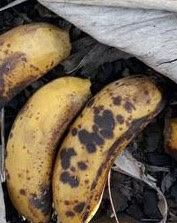
Symptoms of anthracnose include black and sunken lesions with spore masses or acervuli in the lesion. On yellowing fruits, these lesions are of variable sizes and can coalesce to become sizeable black sunken patches.
The disease results in premature ripening and shriveling of the fruits which are covered with pink spore masses. Occurrence if black lesions on the pedicel causes withering of the pedicel and dropping of the fingers from the hands.
Orange to salmon pink colored fungi growth appear in their center. Infection on the banana usually starts during the development of the fruit but remains quiescent until the fruit ripens; symptoms often manifest during storage and marketing.
Anthracnose disease can be prevented by:
*Actively remove weeds and other non-crop species from plots to reduce favourable humid conditions for fungal infection.
*Sufficient irrigation and draining of plantations to reduce unnecessary conditions which favour fungi.
Anthracnose of banana
Bananas represent on of the most widely traded agricultural goods in the world with annual export valued at five billion dollars. There are two main varieties of bananas, the fruit or sweet banana and the plantain.....
The most popular posts
-
Pisang Emas, also known as Pisang Mas, is a diploid cultivar of Musa acuminata. This banana variety, recognized by the code number MP3, is h...
-
Bananas are widely celebrated as a convenient source of potassium and quick energy, but they also contain an array of bioactive phytochemica...
-
Horn banana, locally known as Pisang Tanduk or cow horn banana, is one of the largest banana varieties commonly grown and consumed in South...
-
The pseudo-stem of banana plant is the stem of banana plant that provides and transports nutrients from the soil to the fruits. The banana p...
-
Bananas are harvested at full-mature (green) stage and harvested bunches are hung in a shaded and cool place, which favors favor development...